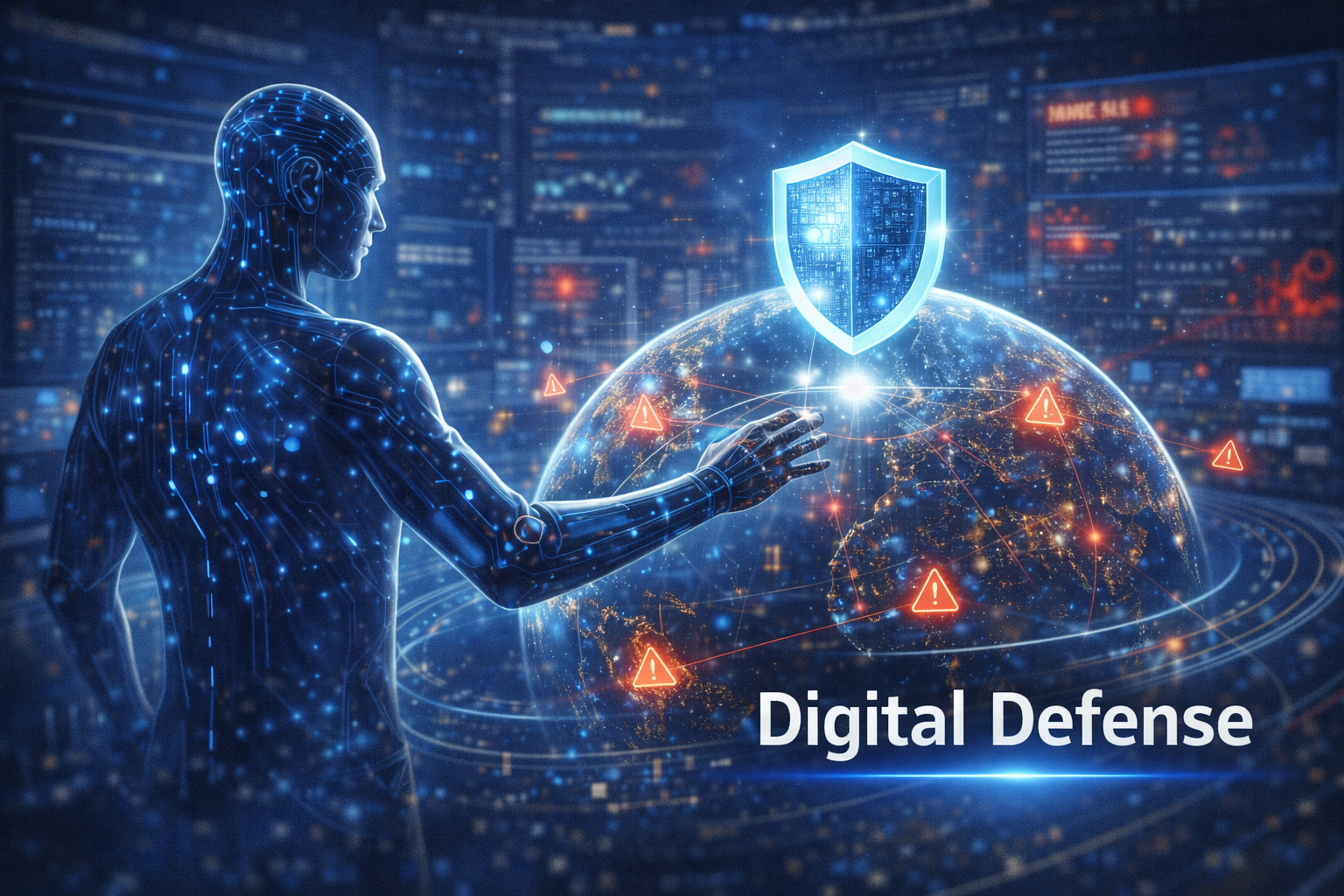
In the fast-evolving world of cybersecurity, AI has become a pivotal force. Just in the last 48 hours, news broke about a major tech company's deployment of an advanced AI threat detection system that promises to transform how organizations defend their digital assets. This move marks a significant milestone, not just for global cybersecurity but also for players in the Gulf region, which is increasingly investing in digital infrastructure.
The core of this story is the rapid adoption of AI-powered cybersecurity tools that leverage machine learning to identify, analyze, and respond to threats in real time. Traditional security systems relied heavily on signature-based detection, which lagged behind new, unknown threats. Now, AI offers adaptive, predictive capabilities that can detect anomalies and potential breaches before they cause damage.
What exactly happened? Recently, a leading cybersecurity firm announced the rollout of an AI-driven threat intelligence platform integrated with existing security operations centers (SOCs). This platform uses deep learning algorithms trained on billions of data points, enabling it to recognize patterns indicative of malicious activity. The system can flag zero-day exploits, ransomware attempts, and insider threats almost instantaneously.
The impact of this development is profound. Businesses now have the potential to prevent attacks before they fully materialize, saving millions in damages and reputation loss. Governments, critical infrastructure, and financial institutions can enhance their resilience. For example, a regional bank in Oman reported a 70% reduction in false positives and a 50% faster response time after deploying similar AI tools.
The technology driving these advancements includes natural language processing (NLP) for analyzing threat reports, automated response mechanisms that isolate affected systems, and predictive analytics that forecast future attack vectors. These tools are becoming more sophisticated, capable of learning from new threats and adapting their defense strategies accordingly.
However, the rise of AI in cybersecurity is not without risks. One major concern is adversarial AI, where hackers manipulate AI models to bypass detection. There’s also the issue of data privacy and the potential for AI systems to be misused or compromised. As AI systems become more integral, the attack surface expands, creating new vulnerabilities.
From my perspective, the biggest opportunity lies in integrating AI into a comprehensive security framework. Organizations that can leverage these tools effectively will gain a competitive advantage. They’ll be able to move from reactive to proactive security postures, reducing downtime and protecting customer trust.
For businesses in Oman and the Gulf, this trend offers both promise and peril. The region’s governments are heavily investing in digital transformation, which makes robust cybersecurity essential. Companies should start by assessing their current security maturity, investing in AI-enabled tools, and training their teams to understand AI’s capabilities and limitations.
A practical step is to pilot AI solutions in controlled environments, measure their effectiveness, and gradually scale. Collaboration with regional tech firms and global leaders can accelerate adoption. Data sovereignty and compliance with local regulations must also be factored into deployment strategies.
In terms of the broader market, the AI cybersecurity sector is expected to grow at a compound annual growth rate (CAGR) of over 20% through 2024. The risk of cyber attacks is rising globally, with estimates suggesting cybercrime costs could reach $10.5 trillion annually by 2025. Yet, this also presents a massive opportunity for startups and established players to innovate.
One prediction is that AI-driven cybersecurity will become a standard feature in enterprise security suites, much like antivirus software in the past. The risk, however, remains that malicious actors will develop AI-based attacks faster than defenders can adapt. Staying ahead will require continuous investment, research, and international cooperation.
In conclusion, AI-powered cybersecurity is reshaping how we defend the digital realm. It offers unprecedented speed, accuracy, and adaptability. But it also demands vigilance, ethical considerations, and strategic planning. For companies in Oman and the Gulf, embracing this technology is no longer optional; it’s a necessity for future resilience.
By proactively adopting AI-driven tools, training staff, and fostering regional collaborations, we can turn the tide in our favor. The next chapter in cybersecurity is here, and it’s powered by AI. The question is: will you lead or follow in this new era?